- TTRPG Insider
- Posts
- How Iconic Japanese TTRPG Sword World Finally Came to the West
How Iconic Japanese TTRPG Sword World Finally Came to the West
How a couple from Missouri convinced the publishers of Japan's most iconic TTRPG to bring it over to the United States after thirty years.

Christopher Hutton
April 15, 2026 • Estimated Reading Time: 5 minutes
Welcome to TTRPG Insider!
We’re the go-to source for exclusive interviews, analysis, and writing on the TTRPG industry, from Dungeons and Dragons to independent RPGs and everything in between.
If you want to know more, check us out here! If you like what you’re reading, make sure you subscribe.
Sword World is a TTRPG whose influence is immense among Japanese RPGs and American TTRPGs, even if most players don’t know about it. The game has been sequestered in Japan since 1989 despite selling 10 million copies. But now the game is finally being translated into English thanks to the world of Mugen Gaming, a small company who are leading the localization initiative. The English translation of the game is scheduled to crowdfund later this year.
TTRPG Insider got to talk to the owners of Mugen Gaming about the project, how it came to pass and why Western audiences should care about Sword World.
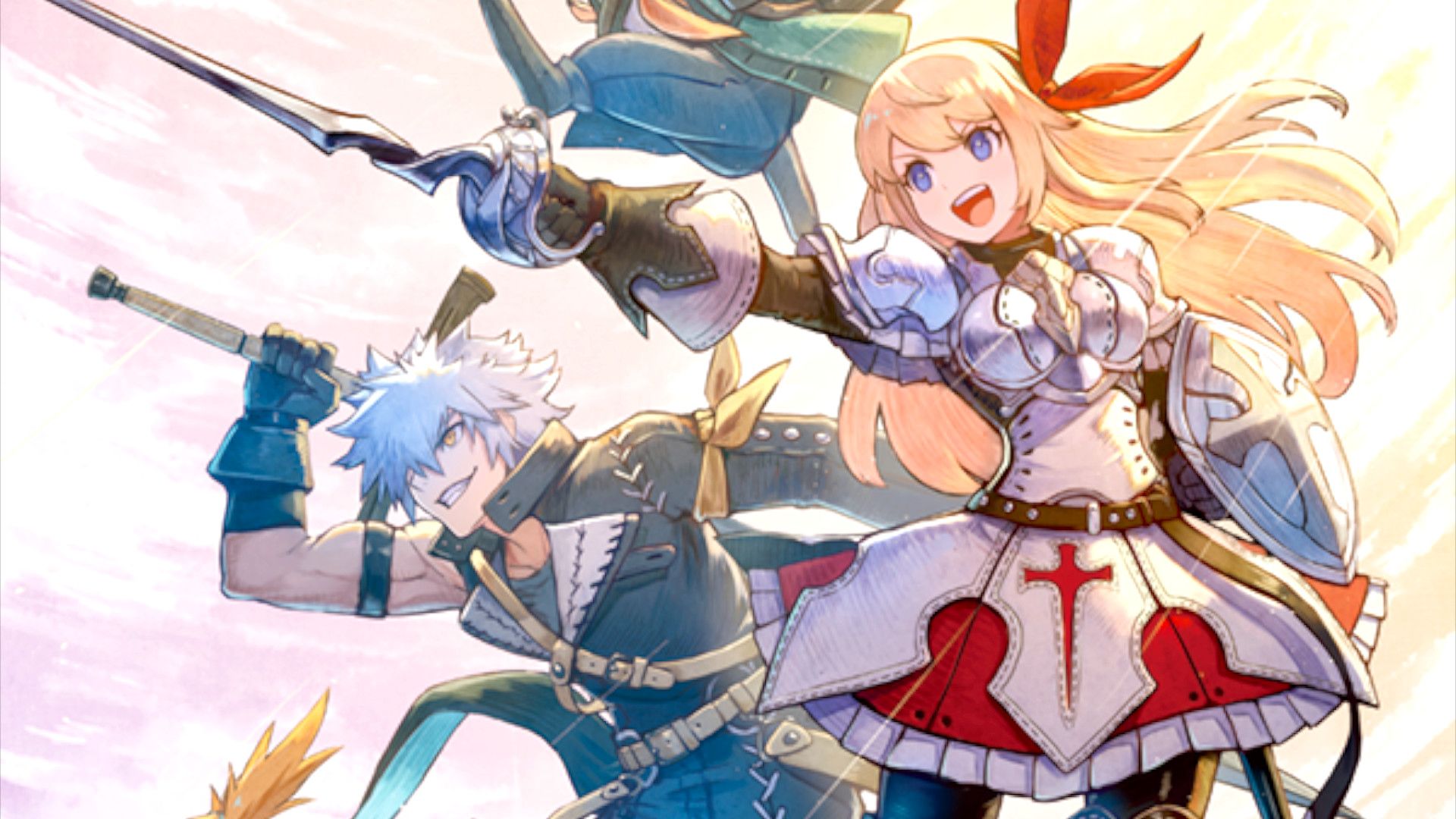
Group SNE
Sword World, the iconic Japanese fantasy tabletop role-playing game’s entry into the English market of tabletop role-playing games, finally arrives after more than thirty years, due to the work of an American couple eager to help Japanese game creators sell more games.
The story begins with Mugen Gaming, a new company founded by Ai Namina-Davison and Shawn Davison, a married couple who operate the Level One Gaming Shop in Kansas City, MO. The company is designed to translate and convert Japanese board games, card games, and TTRPGs into English.
The idea came about when the pair visited the Tokyo Game Market, a convention centered on tabletop gaming of all sorts from across Japan. Ai had a history of managing international operations for medical science firms, which meant she traveled a lot and had experience working with Japanese businesses. Shawn, in contrast, had been running Level One for a while.
While wandering the expo, the pair found Kiri-Ai, a two-player dueling game about samurai facing off with one another. “I asked the designer about the game, his publication plans, and retail goals,” Shawn told TTRPG Insider. “He told me that he only printed a couple of hundred copies, and if it sells out, he didn’t know if he would print more. So this game felt like it was going to disappear.” The designer, Kamibayashi, was more interested in game design than in business. That led to Kiri-Ai as Mugen Gaming’s first product, which it published in partnership with Lucky Duck Games.
The jump from publishing an indie card game to one of the most iconic fantasy TTRPGs in Japan’s history was a massive leap, but it was one that arose through sheer circumstance. Ai met Hitoshi Yasuda, the president of Sword World’s IP owner, Group SNE, during a visit to the German gaming convention Essen Spiel in 2024 at a subway stop. They eventually began discussing how to bring Sword World to English audiences. A number of fans at conventions like GenCon had expressed how much they wanted an English version of Sword World, the Davisons told Yasuda. Unfortunately, the Group SNE president told the Davisons that the IP rights to translate the game belonged to someone else. Yasuda and the Davisons met at other international events like Tokyo Game Expo and Essen Spiel, where they continued to discuss opportunities to bring other Group SNE games to English audiences (such as a series of murder mystery games that the company had published)
Yasuda eventually offered the couple the opportunity to publish Sword World, claiming he could easily get the rights back if they were interested. The couple jumped on it without hesitation. Since then, they’ve been actively gathering partners, art designers and publishers together to bring the game to life for English audiences. The game is scheduled to crowdfund in May 2026.
Whether you’re a designer, content creator or just the biggest fan at your table, TTRPG Insider delivers in-depth reporting, original interviews and regular roundups of the news that you will not find anywhere else. Let us help you become the best designer, player or dungeon master at your table.
Subscribe now to gain the advantage you need to excel in this exceptional hobby and industry.
Sword World, for those unfamiliar, was originally published in 1989 based on the game records of a local D&D group. The Record of Lodoss War was initially published by Group SNE, which started out as a local D&D group that recorded the events of their game in written format. When D&D publisher TSR rejected Group TNE’s proposal of turning their table’s lore into a written setting, it decided to make its own ruleset that became the basis for Sword World. That game (and its various supplements) has sold more than 10 million copies.
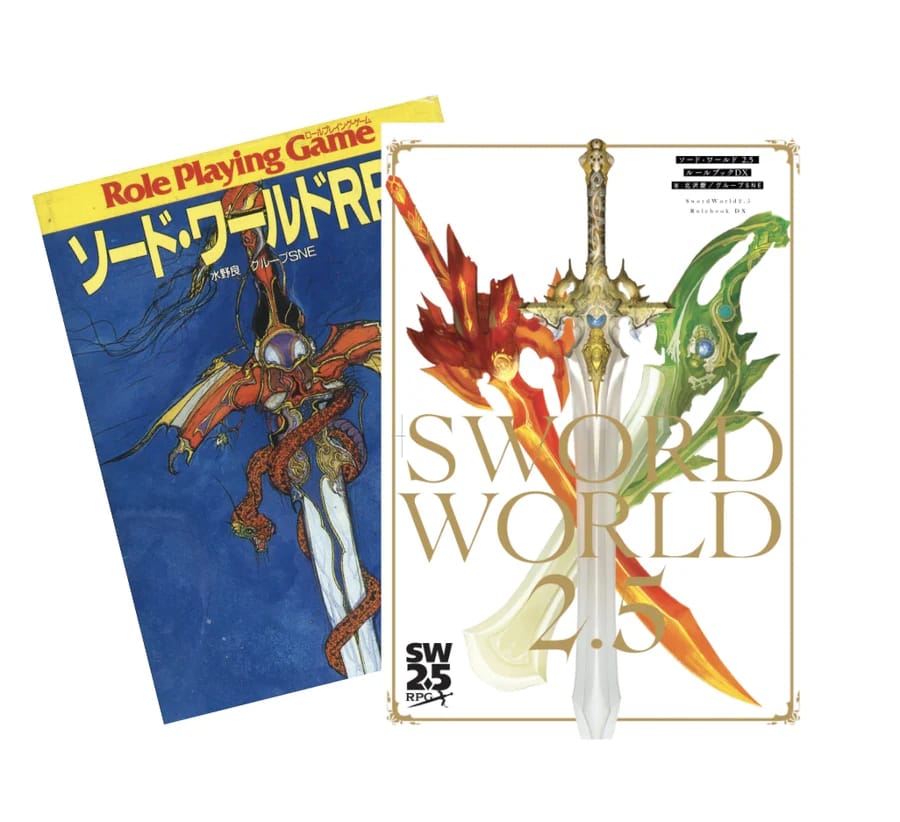
The game has since been updated multiple times and is currently on the 2.5 edition of its rules, which was released in 2020.
The translated version will be an adaptation of Sword World’s 2.5 deluxe edition from 2025, the Davisons told Wargamer. The couple has been working closely with Group SNE to translate the game, aiming to capture its unique identity without using distinct Japanese words. For example, Shawn mentioned the Grappler class. While most Western readers would assume a grappler is someone who wrestles or throws their opponent, the in-game class is actually just a martial artist. Group SNE insisted they used the term for that purpose.
How Sworld World compares to D&D
Both Ai and Shawn described Japanese TTRPG design as “vibes-based,” where players choose a character class based on appearance or an ideal vision of gameplay, rather than focusing on optimization as some communities of Dungeons and Dragons players might.
Japanese tables are also often more focused on short-term storytelling rather than the years-long campaigns that D&D players are familiar with, the Davisons told TTRPG Insider “There’s less emphasis in the rules on explaining to you how something works, because you're supposed to grab a character, play it for a level, play it for one adventure, and then move on,” Shawn explained.
Sword World is also presented as a simpler fantasy game. Shawn, who describes himself as a long-time fan of D&D 3.5, described Sword World as a “straightforward play experience” based on its use of a 2d6 plus modifier for almost all of its rolls. It’s also a game where you are expected to multi-class, learning skills from a variety of roles to fill out your team’s roster. This means there’s a heavy emphasis on teamwork, where players will have to develop their characters with appropriate classes and skills to fill gaps their fellow players might have.
Mugen Gaming
Why Sword World Matters
Sword World’s localization to English arrives at a time when there is a lot of competition in the market. Fantasy games remain one of the most popular forms of TTRPGs available to players. There are also a multitude of options for capturing a TTRPG experience inspired by your favorite anime or JRPG, whether it is Final Fantasy XIV, Ghost in the Shell, Cowboy Bebop, and more. There are also a multitude of games indirectly inspired by Japanese games and shows, including Fabula Ultima, Twilight Sword and Lancer. So why should we care about Sword World?
The most obvious fans will be long-term TTRPG fans who love Japanese media. Fans have attempted to translate Sword World into English in the past, but there’s never been an official version you can have on your shelf.
Anime and JRPG fans will find much to enjoy in the game, thanks to the original Sword World's influence on familiar IPs such as Final Fantasy, Dragon Quest, Frieren, and others.
RPG history fans will appreciate the project. The game’s influence is undeniable throughout fantasy media, so why not try the game for yourself?
It’s an opportunity to try a game that influenced much of Japanese media that public audiences have come to love. It’s a game with a lengthy history that deserves recognition.
“Nothing about Sword World feels revolutionary,” wrote Rascal News’ Caelyn Ellis in a review of the game’s quick start. “But [Sword World] does feel like a game that’s going to enable me to have some fun, anime-flavored adventures with my friends. Sometimes, that’s all you need.”

What are your thoughts? Send any scoops, tips or press releases to [email protected].